


Understanding Dysbiosis: The Impact of Gut Imbalance on Your Health
Gut health has become a popular topic, but many people still don’t fully understand what happens when the balance of microorganisms in the body goes wrong. Dysbiosis is a term that describes this imbalance, especially in the gut, and it can affect many aspects of your health. This post explains what dysbiosis really means, what causes it, how it feels, and why it matters for your overall well-being.
What Dysbiosis Actually Means
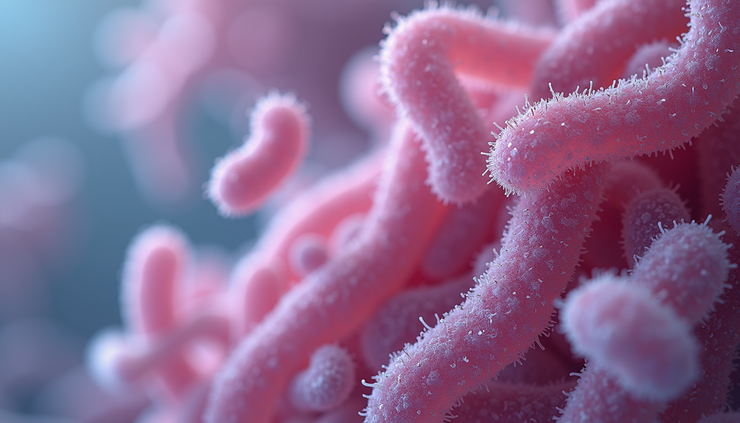
Dysbiosis refers to an imbalance or disruption in the community of microorganisms living in and on your body. While it mostly concerns the gut microbiome, dysbiosis can also occur in other areas such as the lungs, skin, vagina, and mouth.
Think of your microbial community as a small town where every resident has a role. In a healthy system, beneficial bacteria thrive, harmful bacteria stay in check, and the immune system remains calm. When dysbiosis happens, this town turns chaotic. Beneficial bacteria decline, harmful or opportunistic species multiply, and the immune system becomes overactive. This leads to poor digestion, increased inflammation, and even affects the nervous system.
What Causes Dysbiosis
Modern life contributes heavily to dysbiosis. Several factors disrupt the balance of your microbiome:
Antibiotics: While life-saving, antibiotics can wipe out beneficial bacteria along with harmful ones.
NSAIDs and PPIs: These medications change stomach acid levels and gut permeability, affecting microbial balance.
Ultra-processed foods: High in sugars and additives, these foods feed harmful bacteria.
Artificial sweeteners: Some studies suggest they negatively affect gut bacteria.
Glyphosate and pesticides: Chemicals in food can harm beneficial microbes.
Chronic stress: Stress alters gut motility and immune signaling, disrupting the microbiome.
Alcohol: Excessive drinking damages the gut lining and microbial diversity.
Sedentary lifestyle: Lack of movement reduces microbial diversity.
Low fiber and polyphenols: These are the preferred foods for good microbes; without them, beneficial bacteria decline.
C-section birth and the lack of breastfeeding: Early-life microbial seeding is crucial for a healthy microbiome.
Low stomach acid: This allows improper bacterial growth in the upper gut, often leading to Small Intestinal Bacterial Overgrowth (SIBO).
Each of these factors can tip the balance, sometimes working together to worsen the disruption.
How Dysbiosis Feels in the Body
Symptoms of dysbiosis vary widely but often follow recognizable patterns across different systems:
Digestive Symptoms
Bloating and gas
Diarrhea or constipation that swings back and forth
Undigested food in stool
Food sensitivities or intolerances
Acid reflux or frequent burping
Immune System Symptoms
Chronic sinus or lung infections
Skin conditions like eczema, psoriasis, or rosacea
Allergies that flare up easily
Recurrent infections that don’t clear easily
Metabolic Symptoms
Strong sugar cravings
Difficulty managing blood sugar levels
Stubborn belly fat that won’t budge despite diet and exercise
Neurological Symptoms
Anxiety or depression
Irritability and mood swings
Poor sleep quality
Brain fog and difficulty concentrating
These symptoms often overlap with traditional Chinese medicine concepts such as Spleen/Pancreas Chi deficiency and Dampness, showing how gut health connects to the whole body.
Why Dysbiosis Matters for Your Health
Dysbiosis is not just a gut problem. It affects your immune system, metabolism, and even your brain. When the microbial balance is off, inflammation rises, digestion suffers, and your body’s defenses weaken. This can lead to chronic health issues like autoimmune diseases, metabolic syndrome, and mental health disorders.
Understanding dysbiosis helps you see why lifestyle choices matter. Improving your diet, managing stress, and avoiding unnecessary antibiotics can support a healthy microbiome. Early intervention can prevent long-term damage and improve quality of life.
Practical Steps to Support a Healthy Microbiome
Eat a diverse, fiber-rich diet: Include plenty of vegetables, fruits, whole grains, and foods high in polyphenols like berries and green tea.
Limit processed foods and artificial sweeteners: These feed harmful bacteria.
Use antibiotics only when necessary: Always follow medical advice and consider probiotics during and after treatment.
Manage stress: Practices like meditation, yoga, or regular exercise help maintain gut balance.
Stay active: Physical activity supports microbial diversity.
Avoid excessive alcohol: Keep drinking moderately to protect your gut lining.
Support early-life microbiome: For parents, breastfeeding and vaginal birth, when possible, help seed a healthy microbiome in infants.
Practice Qigong daily; this helps ground and balance your nervous system!
Final Thoughts
Dysbiosis is a common but often overlooked factor in many health problems. Recognizing the signs and understanding the causes can empower you to take control of your gut health. Small changes in diet and lifestyle can restore balance and improve your overall well-being. If you experience persistent symptoms, consult a healthcare professional who understands the role of the microbiome in health.


Comments